Jakob Reed · 3 October 2026
Reservoir Solar Installations Prompt Revisions to UK Water Quality Surveillance Frameworks
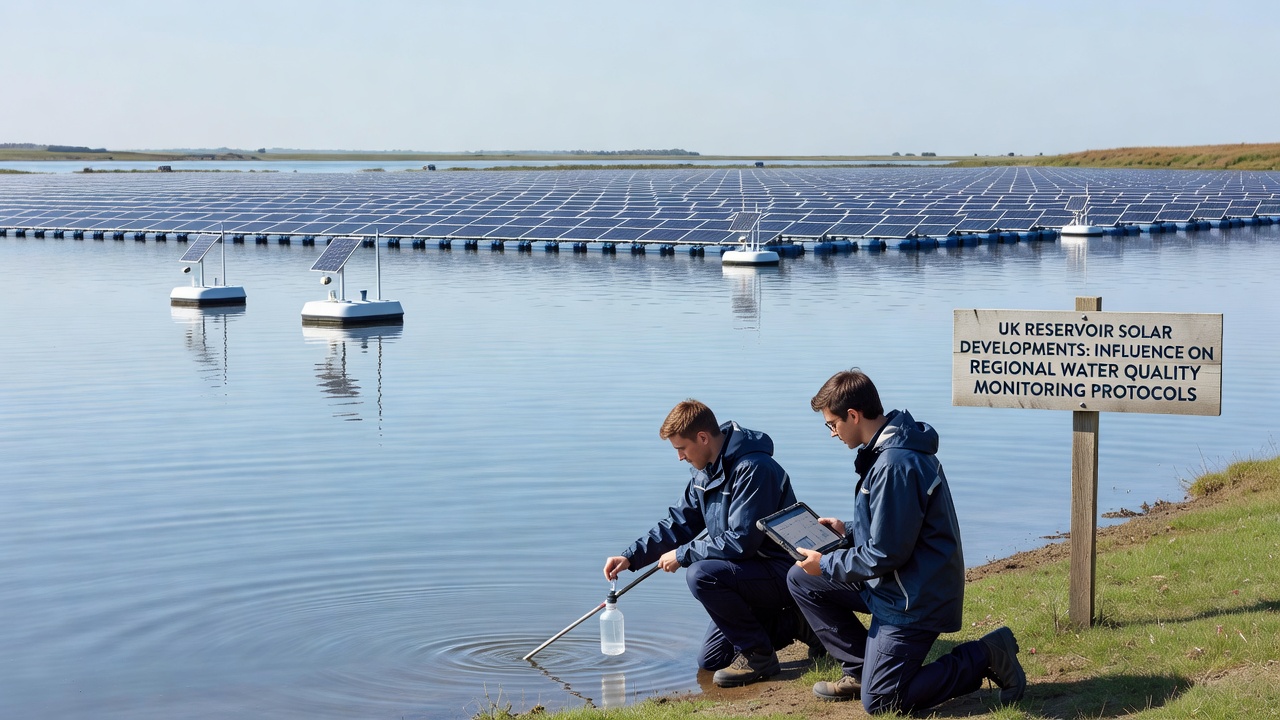
Developments involving floating solar arrays on UK reservoirs have led regional authorities to adjust water quality monitoring protocols since the early 2020s, and these shifts continue to shape data collection practices through 2026. Installations on bodies of water such as those managed by water utilities in England and Wales create shaded conditions that alter light penetration and surface temperatures, which in turn affect dissolved oxygen levels and nutrient cycles. Researchers at institutions tracking these sites have documented measurable changes in algal growth patterns, prompting agencies to expand testing parameters beyond traditional indicators like pH and turbidity.
Expansion of Monitoring Parameters
Regional water quality teams now incorporate sensors that track temperature gradients at multiple depths because solar panels reduce evaporation while also limiting wind-driven mixing; this combination requires more frequent sampling intervals in some catchments. Data from installations completed before October 2026 shows that certain reservoirs experienced up to a 15 percent drop in surface water temperature during peak summer months, leading protocols in affected areas to include continuous thermal profiling alongside standard chemical assays. Observers note that these adjustments align with broader environmental management strategies that treat solar infrastructure as an integrated element of watershed oversight rather than an isolated energy project.
Regional Variations in Protocol Updates
Authorities in different parts of the UK have adopted tailored approaches based on reservoir size and existing ecological baselines. In northern regions where cooler climates already limit algal blooms, monitoring schedules emphasize sediment sampling to detect shifts in nutrient release triggered by reduced light exposure, whereas southern agencies have prioritized real-time telemetry for oxygen depletion events near panel arrays. One study conducted across multiple sites revealed that floating solar coverage exceeding 20 percent of surface area correlates with slower recovery times after storm events, which has driven the addition of post-storm rapid assessment procedures to official guidelines. Experts tracking these trends point to coordinated efforts between energy developers and water regulators that standardize data sharing formats, allowing cross-regional comparisons without duplicating fieldwork.
Equipment upgrades have accompanied these protocol changes, with many districts deploying automated buoys equipped for both water chemistry and light attenuation measurements. These devices transmit readings at intervals as short as every 15 minutes during high-risk periods, replacing earlier reliance on monthly grab samples in several operational areas. Figures released by oversight bodies indicate that such systems have improved detection rates for anomalies linked to panel maintenance activities, including occasional lubricant leaks or debris accumulation.
Integration with National Reporting Standards
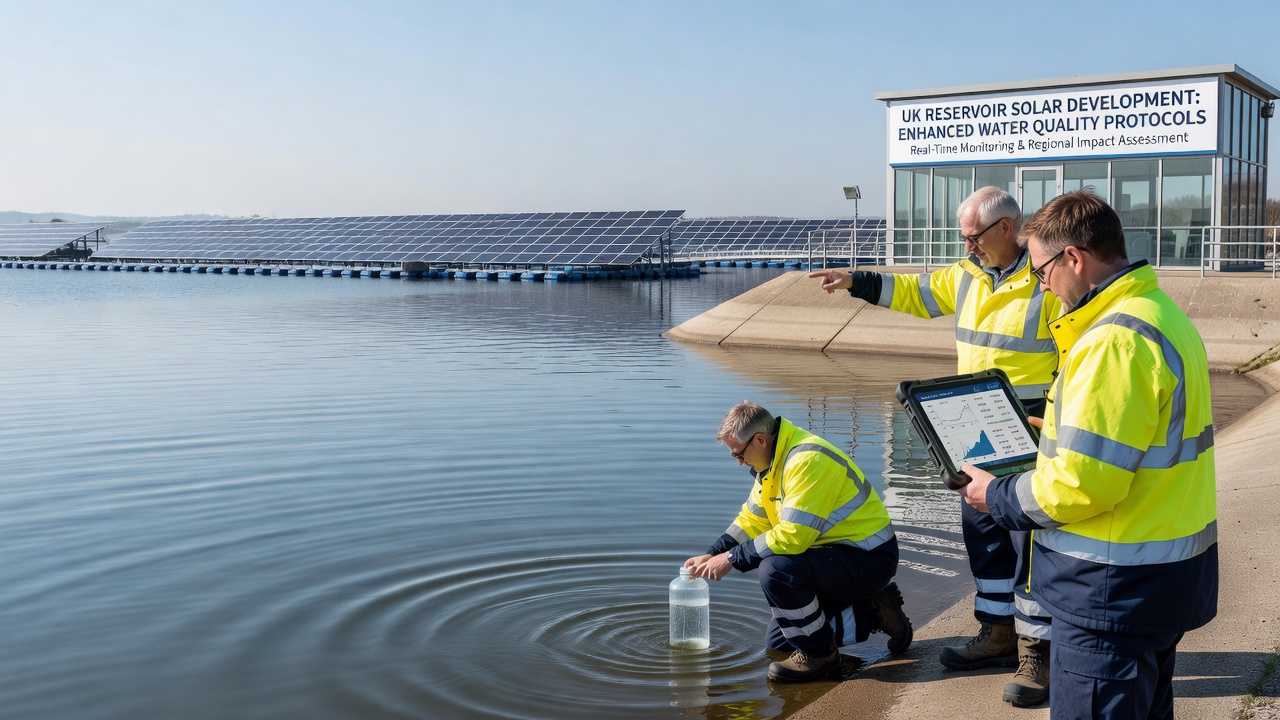
National frameworks have begun to incorporate findings from reservoir solar sites into annual environmental reports, which has encouraged consistency across local monitoring regimes. Agencies now require operators to submit datasets that include both baseline conditions recorded before construction and ongoing measurements, creating longitudinal records that support trend analysis. According to information from the US Environmental Protection Agency on comparable North American installations, similar temperature moderation effects appear in temperate reservoirs, providing a reference point for UK teams refining their models. This cross-jurisdictional insight has informed the selection of additional biological indicators such as macroinvertebrate community shifts that respond to altered light regimes.
Training programs for field personnel have expanded to cover interpretation of data influenced by solar infrastructure, ensuring that technicians recognize when panel-induced shading masks or exaggerates natural seasonal variations. Collaborative workshops held in 2025 brought together hydrologists and renewable energy specialists to standardize terminology, reducing discrepancies that previously arose when different organizations reported on the same reservoir. These sessions emphasized practical calibration techniques for instruments placed in proximity to panel mooring systems, where minor turbulence from anchoring lines can affect readings.
Future Adjustments Anticipated by October 2026
By October 2026, several regional bodies plan to finalize revised thresholds for acceptable dissolved oxygen ranges in solar-covered reservoirs, drawing on accumulated datasets that span multiple annual cycles. Pilot programs testing drone-assisted visual inspections alongside traditional boat-based sampling have already demonstrated efficiency gains in covering larger surface areas during routine checks. Industry reports compiled by research networks highlight that these combined methods allow earlier identification of localized issues such as biofilm buildup on panel undersides, which can indirectly influence water chemistry through organic matter release.
Conclusion
UK reservoir solar developments continue to drive incremental refinements in water quality monitoring protocols, with regional agencies adapting sampling strategies and equipment to address the specific environmental interactions created by floating arrays. These changes produce more granular datasets that support both operational management and long-term planning, while integration of findings from international sources helps validate local approaches. As installations scale up, ongoing coordination between energy and water sectors remains central to maintaining effective surveillance across affected catchments.